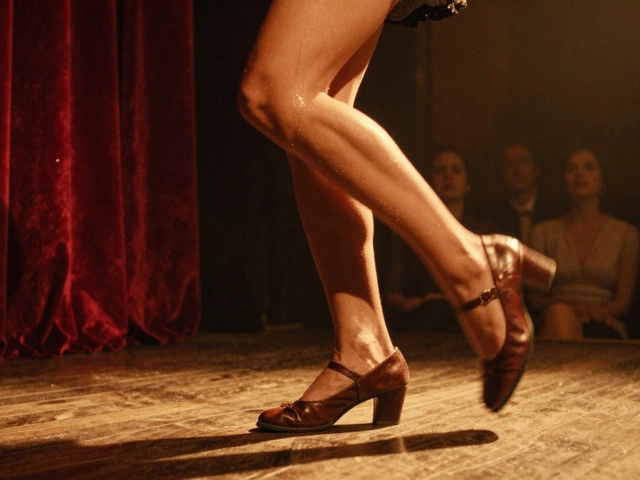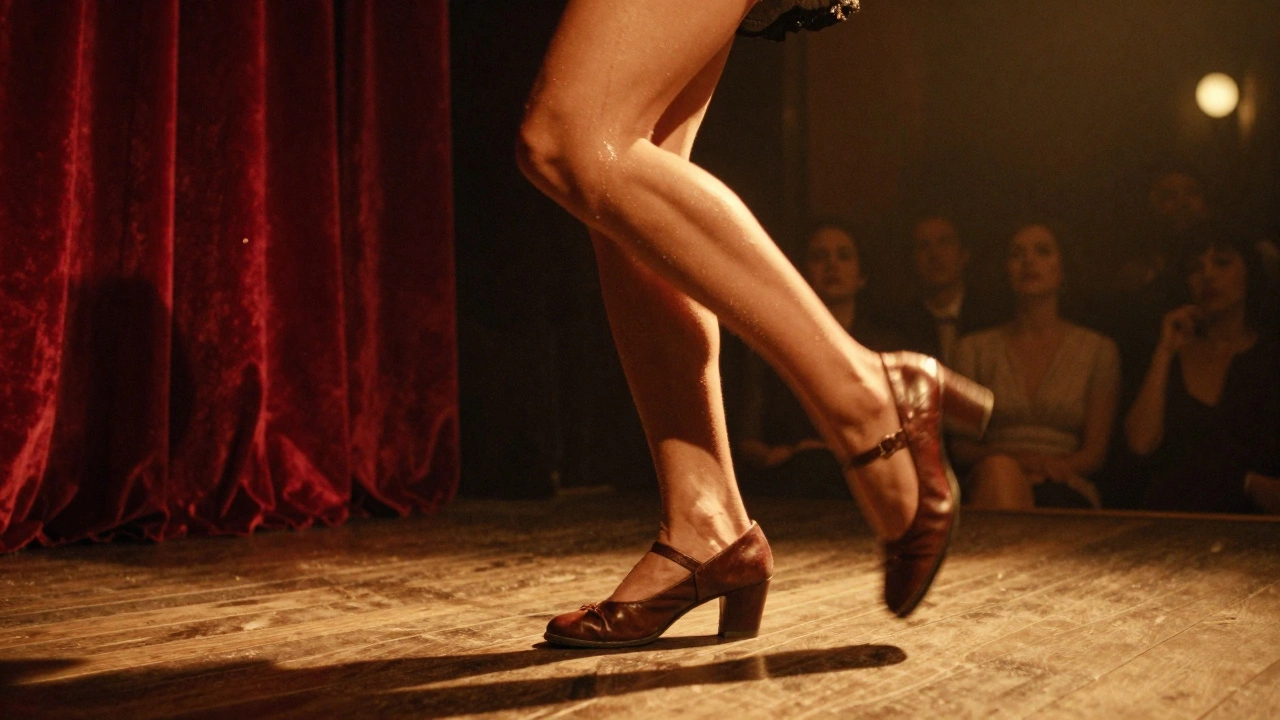
Stripper heels didn’t start as a symbol of seduction-they started as practical footwear for women who danced to survive. In the early 1900s, women in underground cabarets and burlesque theaters wore sturdy, low-heeled shoes that let them move quickly across wooden floors, kick high, and keep their balance during acrobatic routines. The modern stripper heel, with its stiletto spike and ankle strap, didn’t emerge until decades later, shaped by changing social norms, fashion trends, and the commercialization of adult entertainment. What began as a tool for survival became a cultural icon, worn not just for performance, but as a statement of power, control, and identity.
Today, you’ll find these heels in clubs from Las Vegas to Bangkok, but their roots trace back to Parisian music halls and New York speakeasies. The transition from practical footwear to high-fashion performance gear wasn’t accidental. It was driven by demand-from audiences who wanted more spectacle, and from dancers who realized their footwear could amplify their stage presence. If you’re curious about how dance, fashion, and desire intersect in unexpected ways, you might also come across stories like those found in girls for sex in dubai, where personal expression and performance blur in complex, often misunderstood ways.
The Birth of the Heel in Performance
Heels weren’t invented for dancing. They were worn by men in 17th-century Europe as a status symbol-horseback riders needed height to secure their stirrups. By the 1800s, women began adopting them, not for function, but for aesthetics. When vaudeville and burlesque took off in the late 1800s, female performers needed shoes that could handle long hours on stage, rapid turns, and high kicks. Early stripper heels were typically 2 to 3 inches high, made of leather, with a wide base. Think more ballet slipper than stiletto.
These shoes were often custom-made by cobblers who worked with theater troupes. Dancers would bring sketches or even old shoes to be replicated. The goal wasn’t to look sexy-it was to last. A broken heel mid-performance could mean lost wages or even injury. Many performers carried spare shoes backstage. Some even sewed extra padding into the soles to cushion their feet after 12-hour shifts.
The 1950s: Glamour Meets Grit
Post-war America saw a boom in nightlife. Strip clubs moved from hidden basements into neon-lit venues with stage lighting and live bands. This shift changed everything. Audiences now expected more than just a dance-they wanted drama, allure, and visual spectacle. Dancers began experimenting with footwear that drew the eye upward. Enter the stiletto heel.
The stiletto, originally developed in the 1950s for Hollywood starlets, was thin, tall, and dangerous. Dancers quickly realized its power: it elongated the leg, forced the spine into an arched posture, and made every step feel deliberate. The heel became part of the choreography. A slow, controlled tap on the floor wasn’t just a beat-it was a signal. A sudden spin on the heel? That was a moment.
Brands like D’Orsay and Pleaser began making specialized dance heels with reinforced ankles and non-slip soles. These weren’t sold in department stores. They were ordered through dance supply catalogs, often under pseudonyms. Dancers guarded their shoe choices fiercely. One wrong pair could mean a twisted ankle or a missed cue.
The 1980s and 1990s: Commercialization and Branding
As cable TV and VHS tapes spread images of exotic dance into living rooms, the stripper heel became a commodity. No longer just a tool for performers, it became a symbol of a lifestyle. Fashion designers started borrowing from the genre. Versace, Jean Paul Gaultier, and later, Lady Gaga, all referenced the high heel in their runway shows.
At the same time, the industry became more organized. Clubs started requiring dancers to wear specific heel styles. Some mandated a minimum height-4 inches or higher. Others required a certain color: red, black, or metallic. The heel became part of the uniform. It was no longer just about movement-it was about branding. A dancer’s heel could signal her persona: the femme fatale, the punk rebel, the glitter goddess.
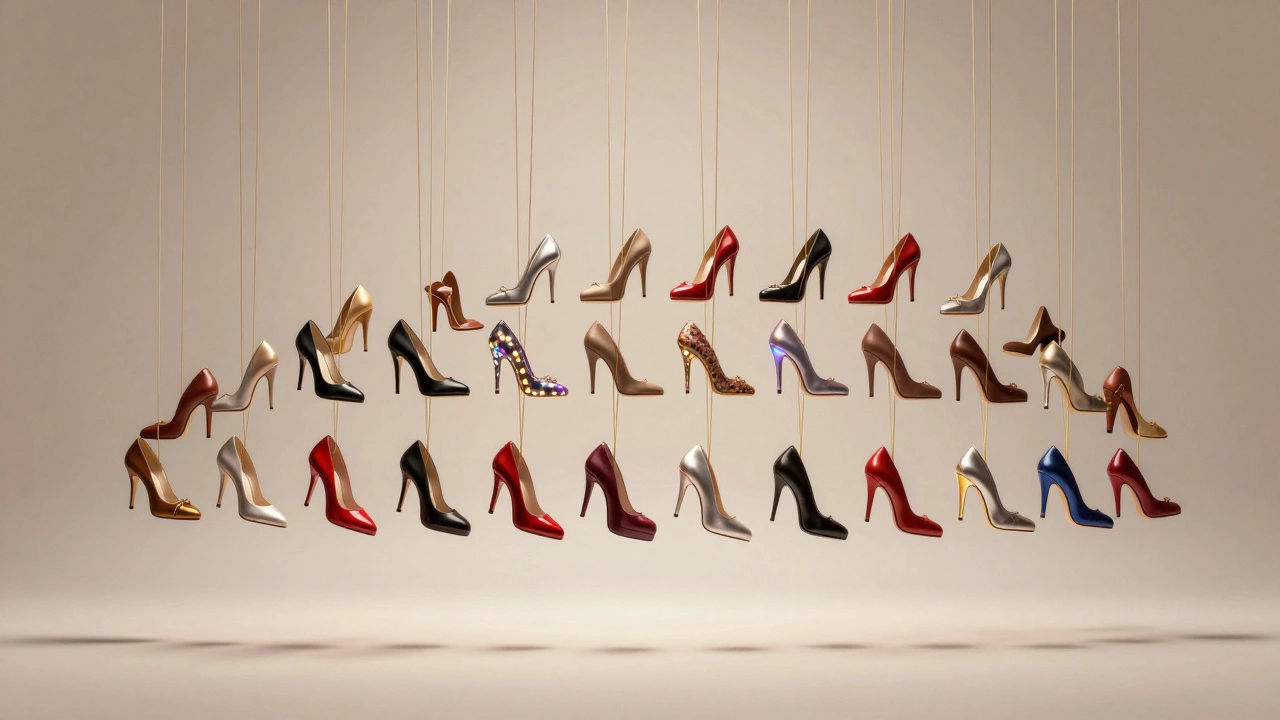
By the mid-1990s, companies like Pleaser and Kiss Heels were mass-producing stripper heels with names like “Siren,” “Vixen,” and “Rouge.” These weren’t just shoes-they were products with marketing campaigns, color palettes, and even limited editions. Dancers began collecting them like sneakers. Some kept dozens in storage, each pair tied to a specific performance or memory.
The 2000s: Technology and Customization
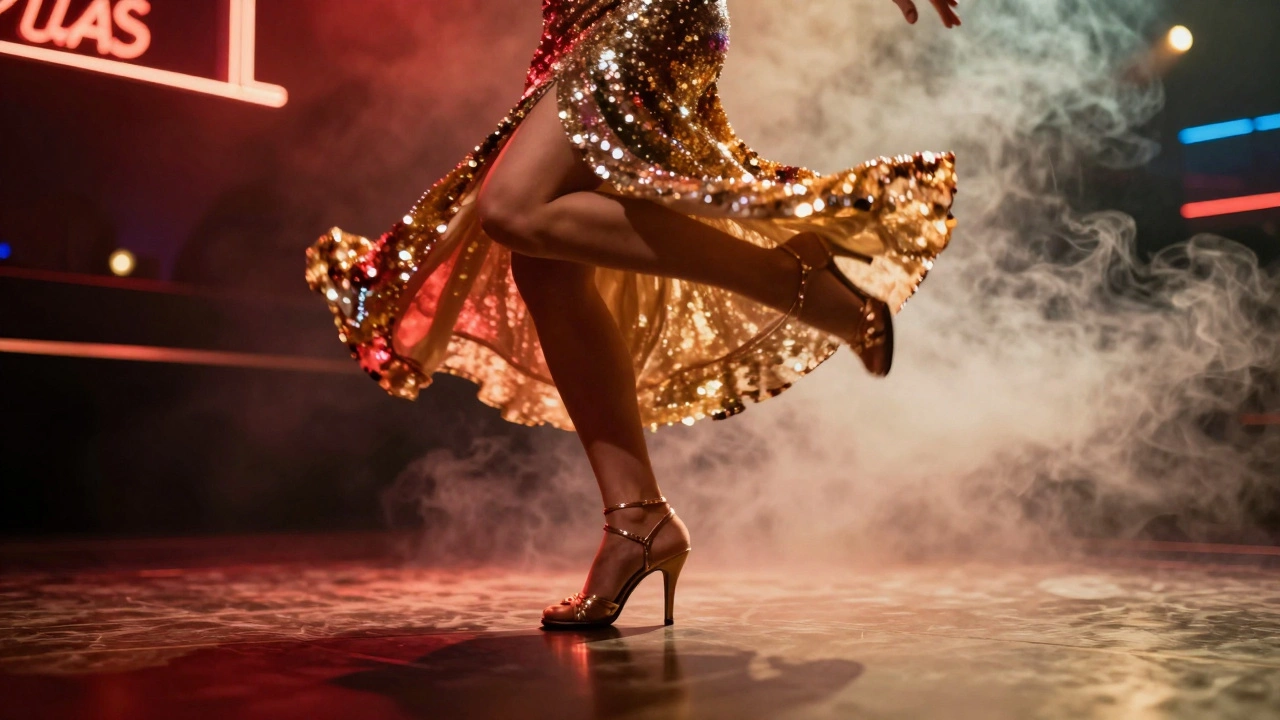
The internet changed everything. Suddenly, dancers weren’t limited to what their local supplier carried. Online marketplaces like Etsy and eBay opened up global access to custom heel makers. A dancer in Toronto could order a pair with her initials engraved, a heel shaped like a dagger, or a sole embedded with LED lights.
Materials evolved too. Instead of cheap plastic, dancers began using real leather, suede, and even carbon fiber for lightweight support. Some heels had shock-absorbing inserts made from medical-grade foam. Others featured magnetic soles to stick to metal stages-common in pole dance routines. The design became as important as the function.
YouTube tutorials emerged. Dancers shared how to break in a new pair, how to stitch a strap that wouldn’t snap mid-spin, and how to modify the heel to reduce foot pain. The community became collaborative. What was once a solitary choice became a shared craft.
Modern Stripper Heels: Function, Fashion, and Identity
Today’s stripper heels are a hybrid of engineering and art. The average professional dancer owns between 10 and 30 pairs. Each serves a purpose: one for slow, sensual numbers; another for high-energy pole routines; a third for stage entrances with dramatic lighting. Some heels are designed to make the foot look smaller; others are built to stretch the calf muscle for better posture.
Brands like Pleaser, DSW, and specialized makers like Luvable Heels now offer size ranges up to US 13, wide widths, and orthopedic supports. Many include removable insoles for custom arch support. Some even have anti-slip rubber grips on the ball of the foot-something you’d never find in a regular high heel.
But beyond the specs, the real shift is cultural. Stripper heels are no longer just associated with adult entertainment. They’ve entered mainstream fashion. Runway shows, music videos, and even wedding photos now feature them. Women wear them to assert control, to reclaim their bodies, or simply because they feel powerful in them.
For many dancers, the heel is more than footwear-it’s armor. It’s the thing that lets them command attention without saying a word. It’s the tool that turns movement into meaning.
Why the Heel Still Matters
Ask a dancer why she wears a 5-inch heel on stage, and you’ll get different answers. Some say it’s the sound-the click that cuts through the music. Others say it’s the way it changes their posture, making them feel taller, stronger, more in control. A few say it’s the history-the legacy of women who danced in silence, in fear, in poverty, and turned their shoes into symbols of resistance.
Stripper heels didn’t just evolve with fashion. They evolved with feminism, with labor rights, with the fight for bodily autonomy. They’re not about objectification. They’re about ownership. The woman who chooses to wear them, who customizes them, who trains in them, is not a victim. She’s an artist.
And if you think they’re just for show, try standing in one for five minutes. Then try dancing in it. That’s the real magic.
These days, you’ll find stripper heels in museums. The Victoria and Albert Museum in London has a pair from the 1970s on display. The Smithsonian has one from a 1980s Chicago dancer. They’re labeled not as costumes, but as cultural artifacts.
The next time you see a woman in stilettos, remember: she might just be dancing.
There’s a reason why some dancers refuse to wear anything else. It’s not about sex. It’s about strength. And sometimes, the most powerful thing you can wear is the thing that lets you stand taller than anyone expects.
For those who wonder what life looks like beyond the stage, stories like the international sex guide dubai offer glimpses into how performance and personal boundaries intersect in places far from the spotlight.
Common Myths About Stripper Heels
- Myth: They’re only for sex work. Truth: Many dancers use them for fitness, pole competitions, or fashion photography.
- Myth: They’re all made of cheap plastic. Truth: High-end pairs use real leather, steel shanks, and custom molds.
- Myth: Dancers wear them all day. Truth: Most change into flats between sets. Foot pain is a real issue.
- Myth: They’re only for thin women. Truth: Modern brands make sizes up to 13 and wide widths.
How to Choose Your First Pair
- Start with a 3- to 4-inch heel. Too high too soon causes injury.
- Look for a secure ankle strap. This prevents slipping during spins.
- Choose a non-slip rubber sole. Avoid glossy finishes.
- Buy from brands that specialize in dance footwear-Pleaser, Kiss Heels, or Luvable Heels.
- Break them in slowly. Wear them around the house for 15 minutes a day before dancing.
And if you’re thinking about trying it out, don’t rush. The right pair doesn’t just fit your foot-it fits your rhythm.
There’s a reason why some dancers say their first pair of stripper heels changed their life. It wasn’t because they looked good. It was because they finally felt like they could stand on their own.
For those curious about the global landscape of performance and personal freedom, the escord dubai offers a window into how culture shapes expression in unexpected corners of the world.